





Facade, Windows and Roofs. Oh my.
The building envelope, or shell, is made up of a lot of different materials. Let the experts figure out the best way forward.
Four parts of one shell
Everything from the roofline down to the pavement. Pick a part, or read the whole thing.
The Face
A building’s facade is its face. It is the first thing anyone sees, and it is doing sales work for you whether you maintain it or not.
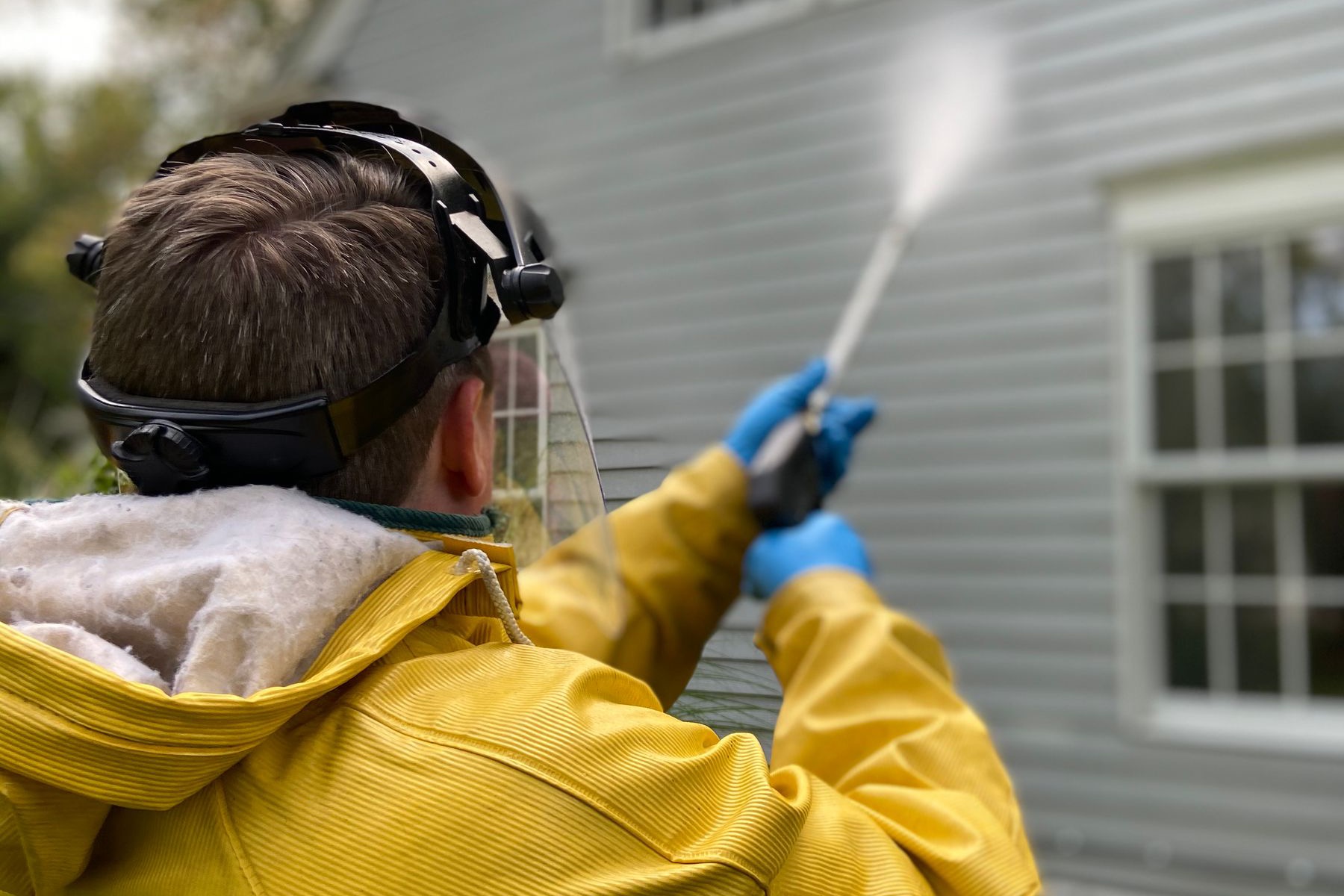
Cleaning a facade is maintenance, not decoration. Algae, grime, oxidation and exhaust residue hold moisture against the surface and quietly degrade the material underneath it. Left alone, that buildup is what turns into repointing, recoating and replacement.
Brick, stone, masonry, stucco, siding and coated metal all age differently, and each one has its own limits for the pressure and chemistry each material can safely tolerate, so the surface is studied before it is touched. Regular cleaning costs a fraction of what deferred maintenance eventually bills you, and it keeps cracks, rust and failing seals visible while they are still small.




Any and all glass within our reach
Exterior only. Punched windows, storefronts, skylights and full curtain wall, cleaned from the outside.
Clean glass is the difference between a building that lets in full natural light and one filtering it through a season of film. Mineral deposits, pollen, exhaust and, on Long Island, salt do not just dull the glass. Left long enough, they etch it.
We do not go inside to remove screens or clean sills. That focus is deliberate. It is what lets us specialize in the hard-to-reach exterior glass that most companies either skip or price out of reach.
Pitched roofs, of all types
Roof cleaning is one of the most overlooked forms of exterior maintenance, and one of the most valuable.
The black streaks on a roof are algae. Moss and lichen follow. All of them hold moisture against the material underneath, and a roof that is cleaned regularly lasts years longer than one left to accumulate buildup on its own.
We will never pressure wash a roof. Force strips the protective granules off shingles, drives water where it does not belong and can void a manufacturer’s warranty outright. Done right, a roof keeps its warranty and its lifespan.


Everything at ground level takes a different kind of beating
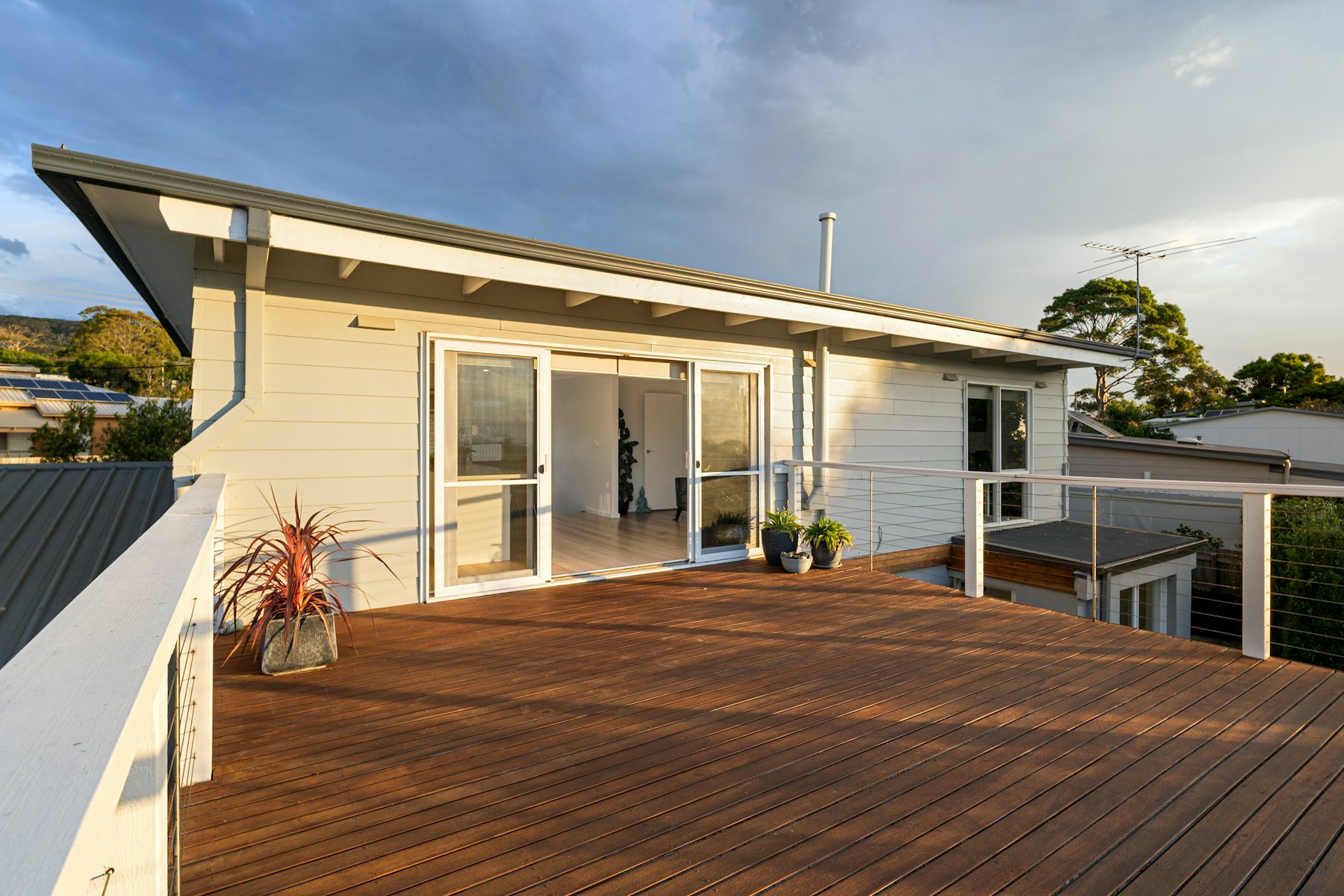
Driveways, walkways, patios, decks and parking areas are the most used surfaces on any property, and the first to become unsafe.
Flatwork absorbs foot traffic, vehicle traffic, oil, salt and whatever the weather adds, and the organic growth that comes with all of it is what turns a walkway slick. On a commercial property that is a slip-and-fall claim waiting to happen. At home it is the step everyone has learned to avoid.
Concrete and pavers, wood and composite each take a different kind of care. The surface looks flat either way, but it is not the same job, and reading it correctly is what keeps the finish on a deck and the sand in the paver joints.
The building, the glass, the roof, the ground
Tell us what you have and we will tell you what it needs. Every quote starts with eyes on the property.